
What was the problem that inspired the creation of Yoodli, and why were you the right people to tackle that?
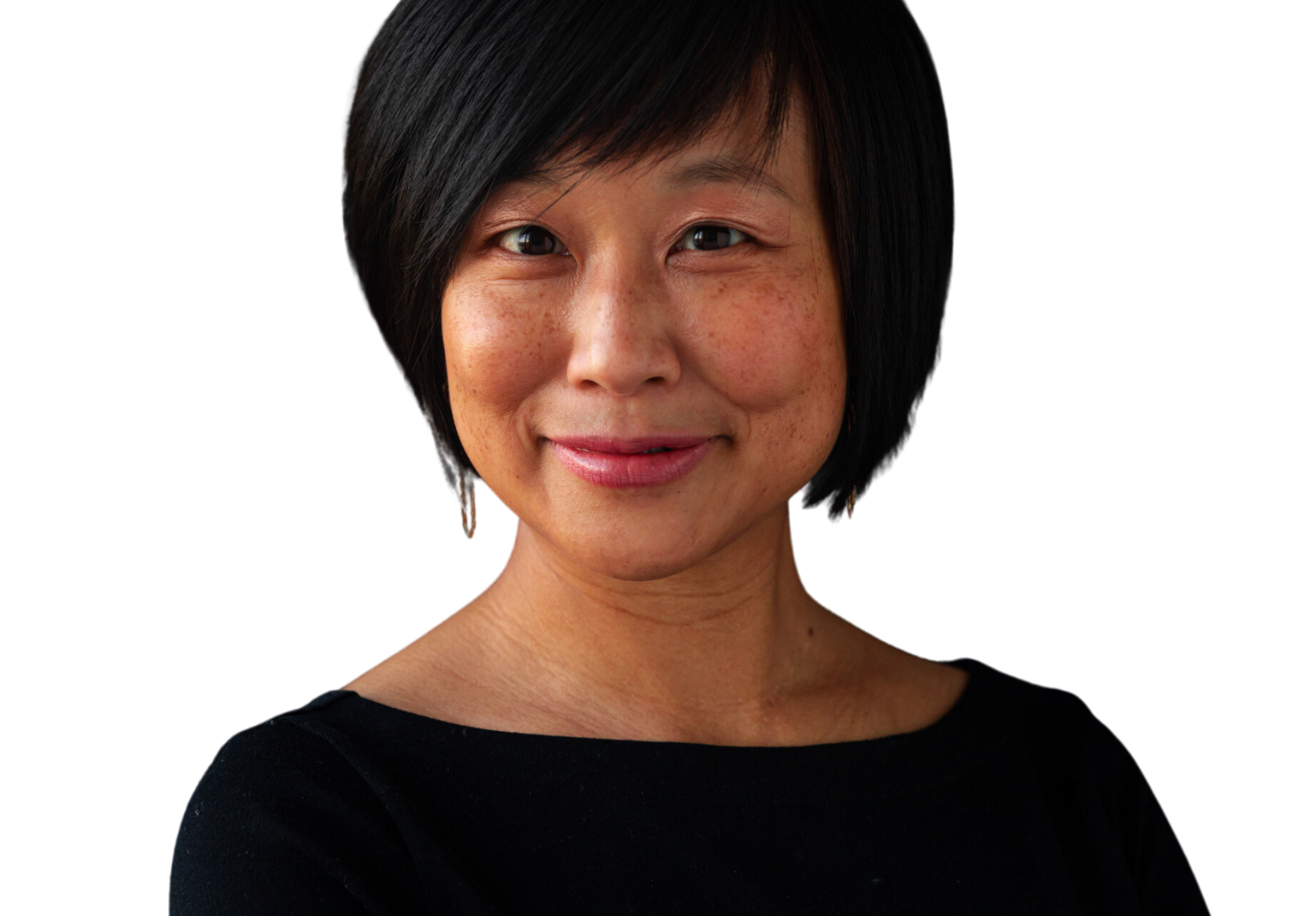
Esha: I’ve spent most of my career building products, first as a software engineer and PM at Apple, working on things like Apple TV+. And even in those environments, surrounded by incredibly smart people, I consistently struggled to speak up. I remember one launch review where I had real concerns about a feature decision, but I couldn’t get the words out. I watched someone else voice a similar concern later and get credit for the insight I’d been sitting on. That moment crystallized something I’d been seeing everywhere: really remarkable people with amazing ideas who didn’t have the confidence or training to actually use their voice. That gap always bothered me. I kept thinking: What can we do with technology to help people feel more confident communicating, myself included?
At its core, Yoodli is a private, judgment-free AI communication coach. You can practice a presentation, a sales pitch, an interview, or a difficult conversation and get instant feedback. Over time, it’s become much more than that. Companies use Yoodli for sales and GTM enablement. Healthcare organizations use it to help doctors prepare for sensitive conversations. Individuals use it to build confidence in moments that really matter.
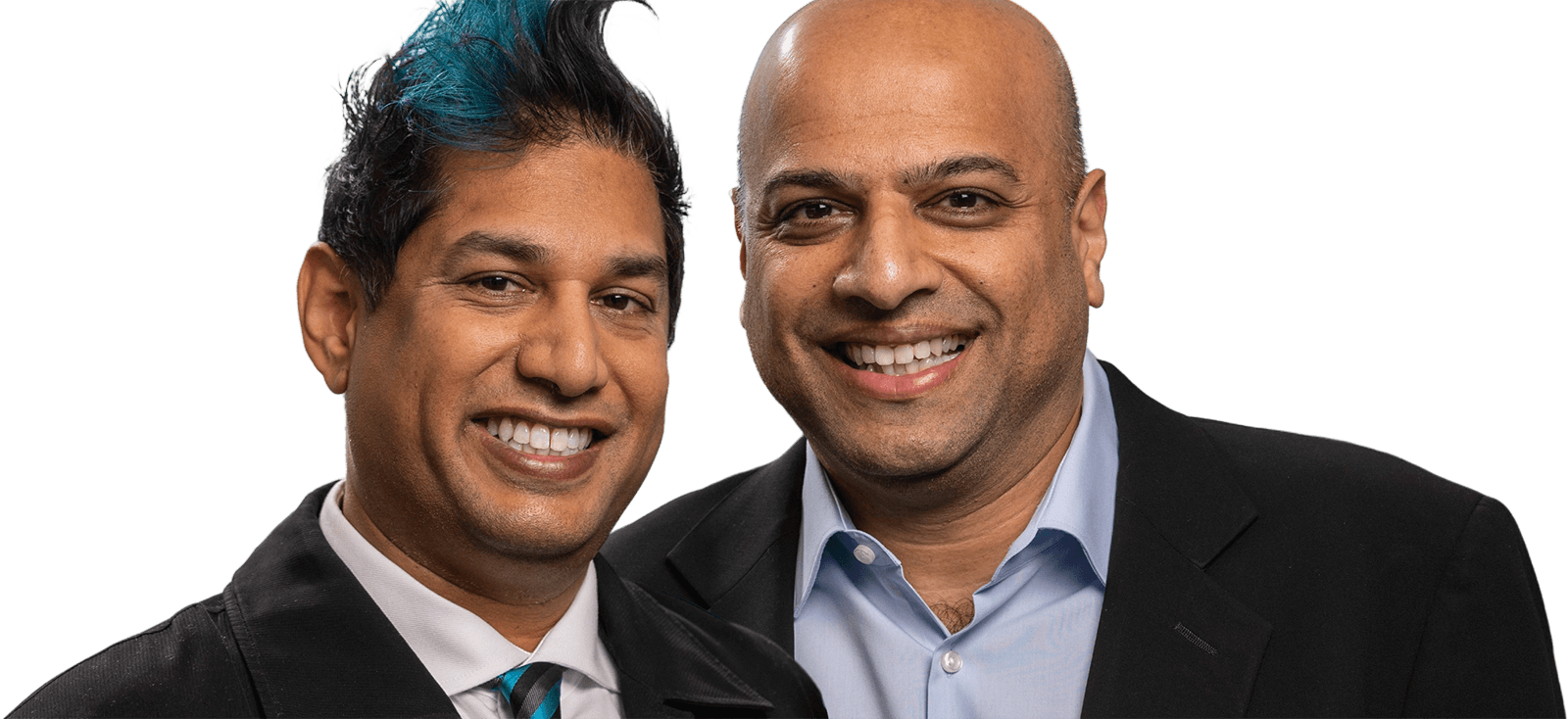
Varun: My background is pretty different, but the motivation overlaps. I grew up in India, came to the U.S. for college, and later worked at Google, including running special projects for Sergey Brin and spending time at Google X. I had a front-row seat to opportunity, and at the same time, I couldn’t stop thinking about how many brilliant people never get that chance. Growing up in India, I’ve always felt that there are so many incredibly smart people, especially kids, who miss out on opportunities simply because they don’t back themselves when they speak. The loudest voice in the room often wins, not the best idea.
Esha and I felt uniquely positioned because we’d both lived the problem in different ways, and we’d both built products at scale. We weren’t coming at this as speech experts. We were builders obsessed with the question: How do we build technology that helps billions of people do for speaking what Grammarly did for writing or Duolingo did to language learning? We weren’t trying to start an “AI company.” We were obsessed with the problem. AI just became the tool that made exposure therapy at scale possible, giving people a safe, judgment-free way to practice, cringe, and get better.
Madrona invested in us when we literally just had an idea. No team. No product. … Madrona has never once questioned our why, even when the mission didn’t look like the biggest business on paper.
What is it like to work with Madrona?
Varun: Our running joke is that Madrona is the third co-founder. Sometimes we joke, in the best way possible, that all of Madrona works for Yoodli. From HR calls to recruiting to board meetings to marketing, they’ve been there for everything.
What surprised me most was that Madrona invested in us when we literally just had an idea. No team. No product. We had just moved to Seattle and met Madrona about a week in. I’d heard stories like that happening in movies, not real life. And they’ve been by our side ever since.
Esha: Madrona says they’re in it “day 1 for the long run,” and honestly, I used to roll my eyes at slogans like that. But they’ve actually lived it. From day seven, we’ve been able to reach out to three, five, six people across the Madrona ecosystem at any stage we’re in as a company. And they genuinely show up.
What has really stood out is that they pushed us to use the resources. They weren’t hands-off. They were like, no, we hired people whose job is to help you. Use us. And once we really understood that, it completely changed how we built the company.
Tell us about a Madrona Moment.
Varun: There’s a moment I’ll never forget from our earliest fundraising conversations with Matt McIlwain. Esha and I were nervous, so we went into “VC pitch mode.” We started talking about building this massive B2B company with a huge TAM, saying all the things we thought would land the check.
Matt stopped us and literally said, “That’s not who you are. Why are you lying?” And I was like, well, I thought that’s what you wanted to hear. And he said, “That’s not why we’re investing in you. We’re investing in you for your passion.”
That moment changed everything. We stopped trying to fit ourselves into what we thought a “venture-backed company” should sound like. When we pitched our Series A and B, we led with the mission first—helping kids in India access opportunities, helping women find their voice in the workplace. And the business case followed naturally from there. Even internally, it gave us permission to hire people who genuinely cared about the problem we’re solving, not just the market opportunity. Madrona has never once questioned our why, even when the mission didn’t look like the biggest business on paper.
What have you learned about yourself as a leader that you didn’t expect when you started?
Varun: I didn’t realize how much resilience this would take. There are days when you feel like you’ve figured everything out, and the very next day you feel like you know absolutely nothing. I’ve definitely made my share of rookie mistakes in board meetings. Madrona will call me out, and then still back us. That’s been humbling.
I’ve also learned how important it is to be honest and vulnerable as a leader. We don’t pretend to have all the answers. We tell people what we don’t know. And that’s actually helped us bring in leaders who are far better than us in their domains.
Esha: One thing I didn’t fully appreciate early on is how much your role has to evolve, especially as a non-CEO founder. In the early days, I did everything. I was the first engineer, first PM, early salesperson, first CSM, first support specialist. That chaos was the job. There were no clear lines, just “figure it out because the company depends on it.”
As we’ve grown, that operating system stopped being enough. The company now needs clarity, ownership, and an actual leadership team. That shift has been humbling. I’ve had to think deeply about what role I want to play next and what’s best for Yoodli, not just what I’m good at or enjoy in the moment.
What lesson do you wish you had internalized earlier in your startup journey?
Esha: I wish we had started establishing ourselves as thought leaders earlier. Writing, sharing our point of view, putting ideas out there before the product was fully formed. Some of the founders we most admire do this incredibly well, and it makes the company feel bigger and more real earlier on. We’re doing more of that now, being vocal about our perspective on AI, communication, and the future of work, and it’s changed how people perceive us and who we attract.
Varun: For me, it’s about having a clear point of view and being willing to say it out loud. Early on, we had lots of opinions, but we weren’t always confident enough to lead with them. Now we’re much more comfortable saying, “This is what we believe good looks like,” while still holding those beliefs loosely.
And maybe the biggest thing is trusting your gut. Whether it’s investors, hires, or customers, we’ve learned that snapping to a decision that feels true to who we are has served us better than over-optimizing for short-term outcomes.