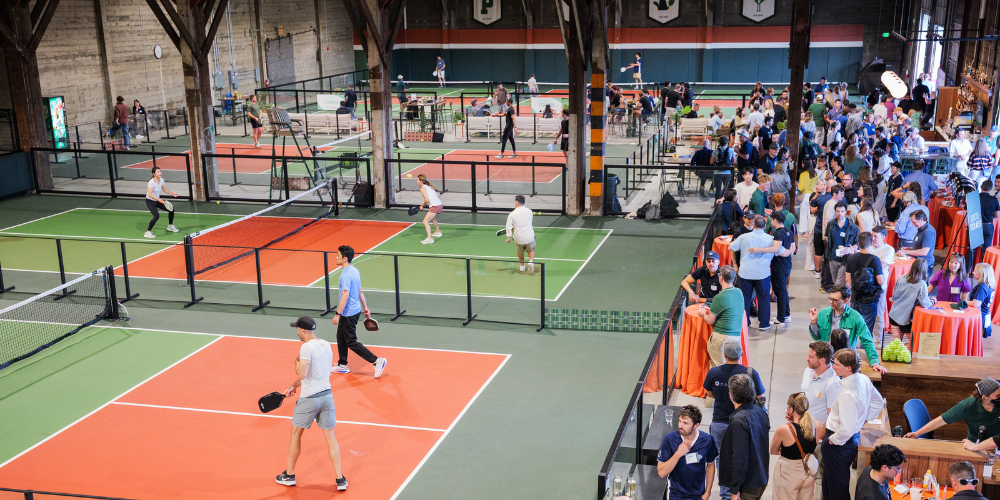
Seattle Tech Week started on a Monday night with pickleball in SoDo and ended, five days later, somewhere between a rooftop happy hour, a Lake Union cruise, and a Mariners game. In between: roughly 250 events across boardrooms, incubators, coworking spaces, an Amtrak train, pickleball courts, concert venues … and an axe-throwing range.
If you attended Seattle Tech Week,
tell us what to improve: take the survey.
What began four years ago with the epiphany that Seattle’s tech community deserves something that feels like an annual homecoming celebration is now a thriving, community-led showcase of the breadth and depth of innovation and innovators that make our tech ecosystem so powerful.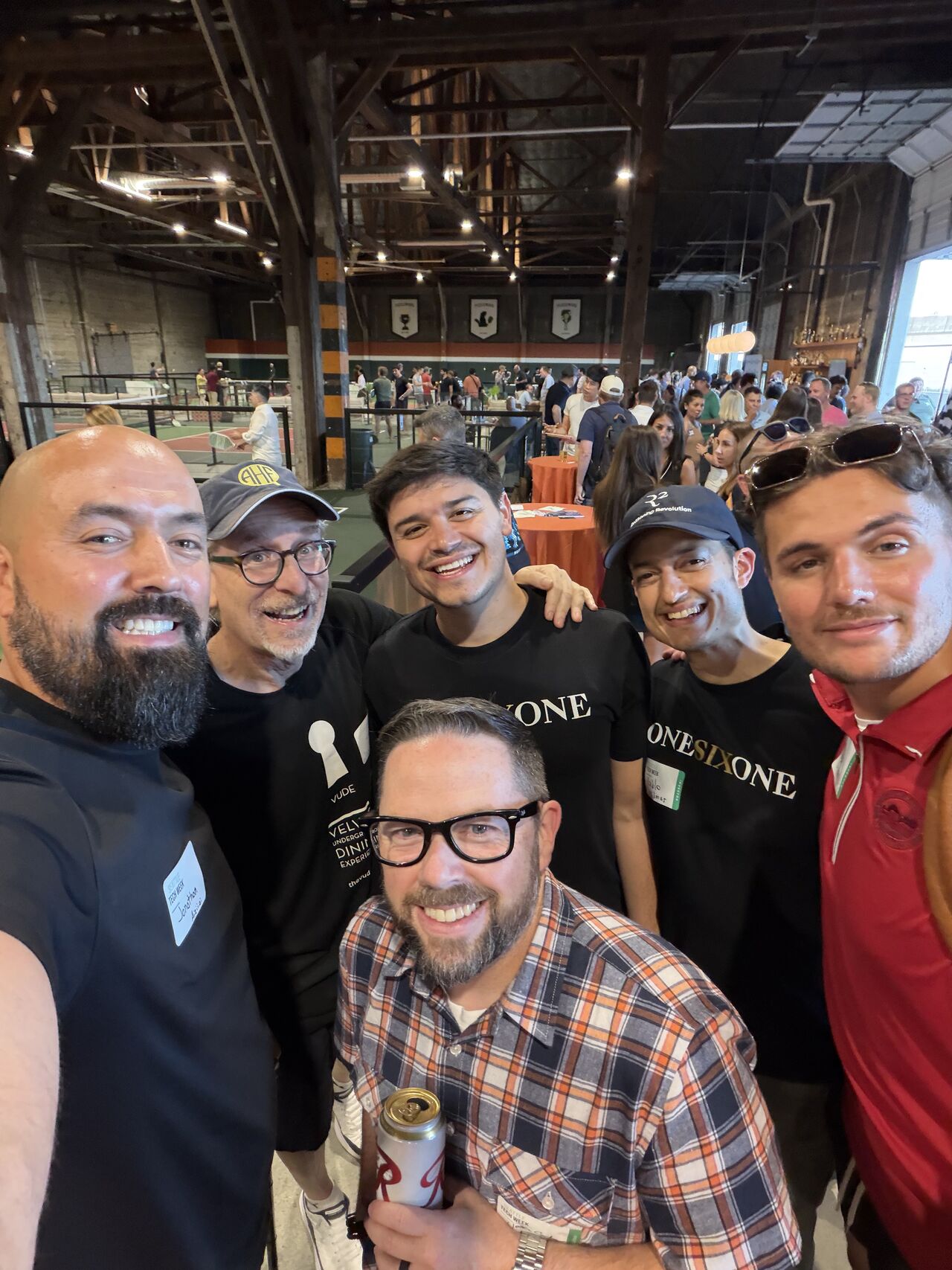
We’re still buzzing from the week’s activities, and in hearing from founders, operators, investors, academics, and members of the broader tech ecosystem, we started to notice five themes that kept popping up.
The community is simultaneously growing AND building deeper connections
For decades, our community has been one of tech’s biggest epicenters, and Seattle Tech Week has continued to pull attendees from far and wide. Investors from S3 Ventures flew in from Texas to co-host a founder breakfast and left saying, “this city’s density of talent continues to impress us more every time we’re here. We can’t wait to be back, Seattle.”
Jacob Colker of AI House thinks sometimes Seattle forgets how instrumental our community has been — and continues to be. At J.P Morgan’s Startup Showcase at the Showbox, Jacob made the case that our region can sometimes be humble to a fault. “We get numb to the magic,” he told a packed room. “We literally created the cloud. AI would not be possible without the cloud, and we did that here.”
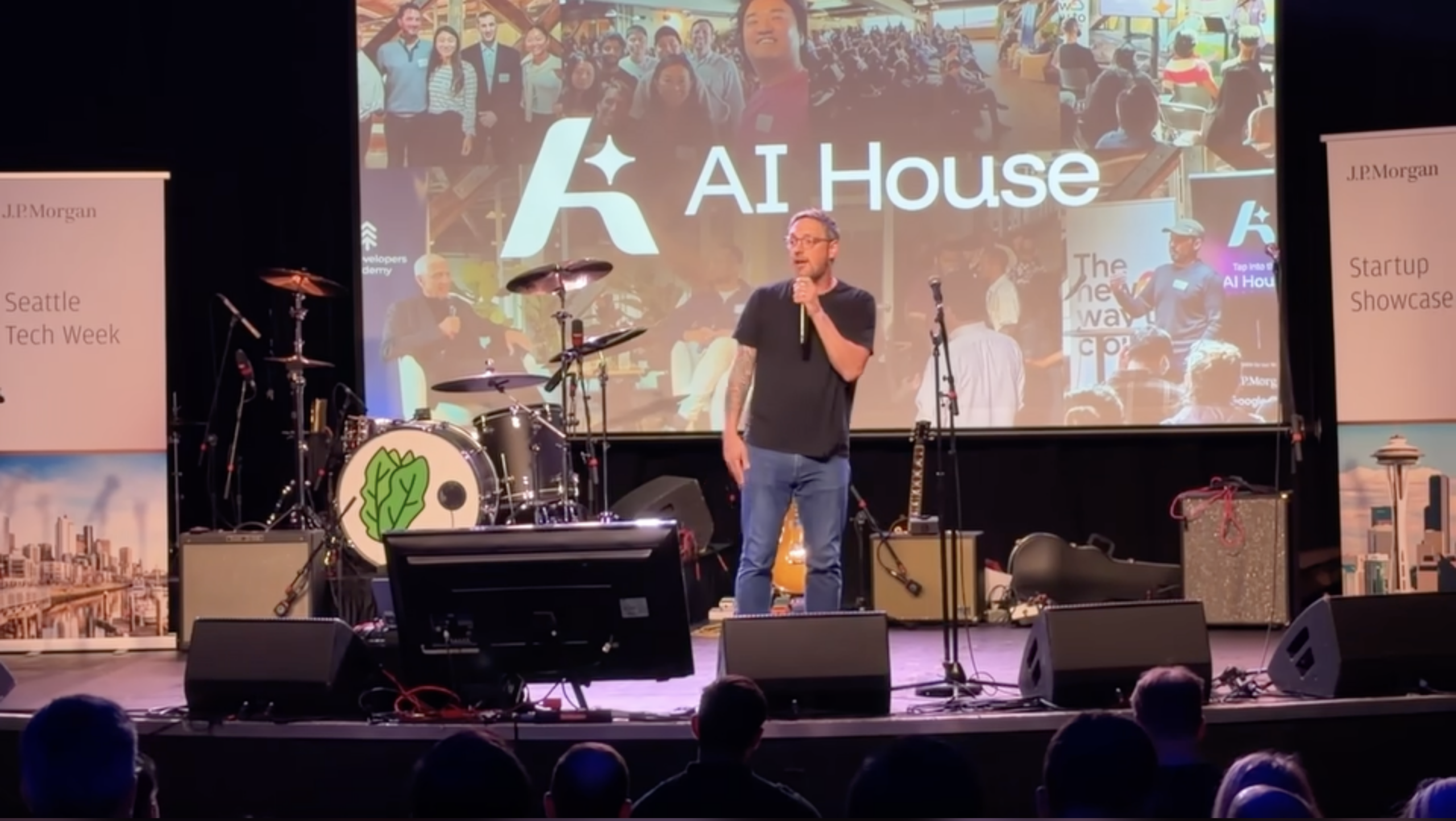
He pointed to Amazon, Microsoft, and Boeing, and to the breakthroughs that came through Seattle: bone marrow transplants, kidney dialysis, the defibrillator, smallpox eradication. All world-changing innovations. All Seattle-led.
AI isn’t the only exciting thing going on
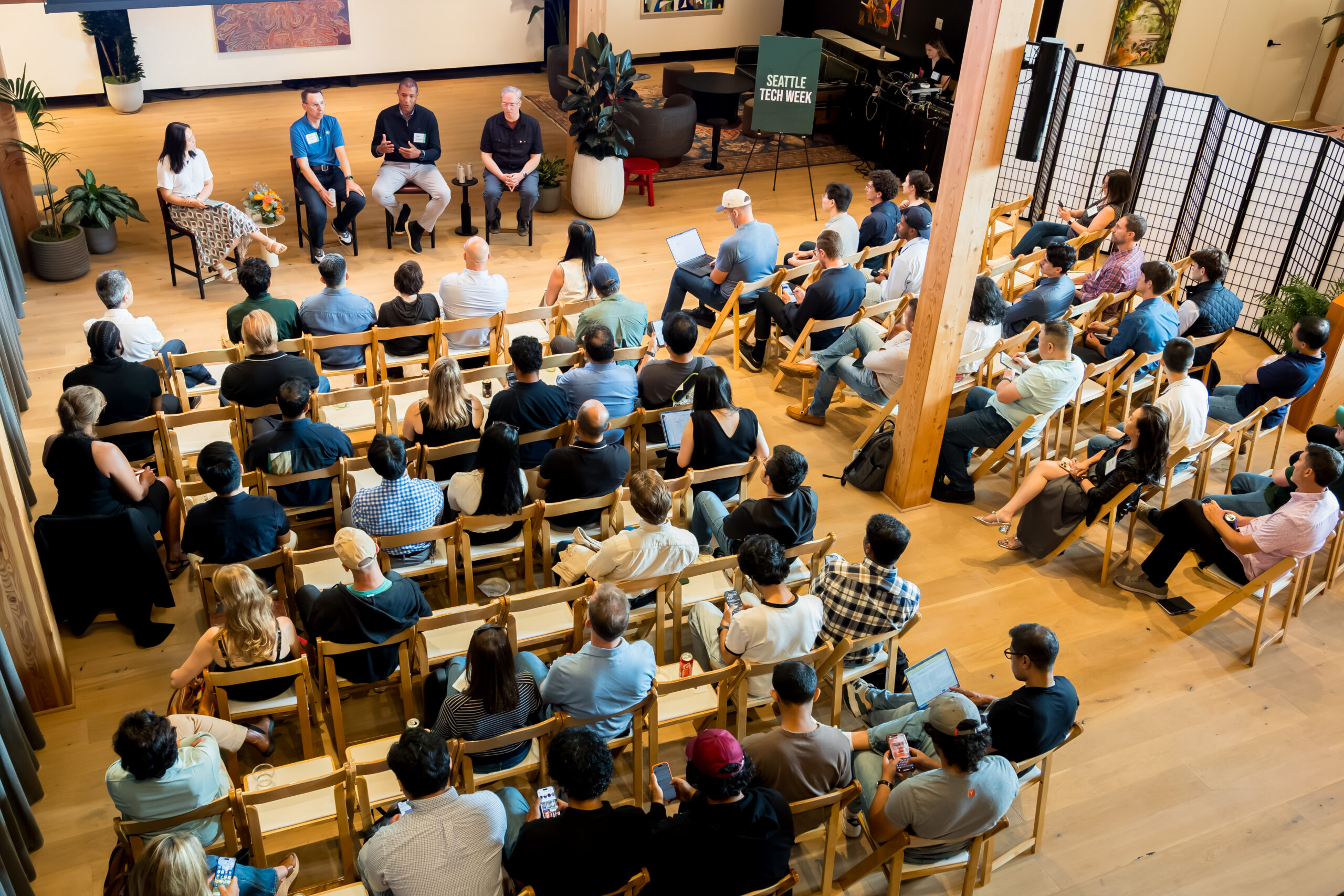
AI dominated the calendar (as it should in 2026), and the conversations were sharper than the hype cycle that preceded them. At Ascend’s “Foundation Models Go Vertical” panel, a session so in-demand that founding GP Kirby Winfield told the room 600 people had tried to get in, Oumi CEO Manos Koukoumidis pressed founders on a question GeekWire’s Todd Bishop said he kept coming back to all week: if the intelligence at the center of your product belongs to someone else, are you an AI company or an application on top of somebody else’s intelligence?
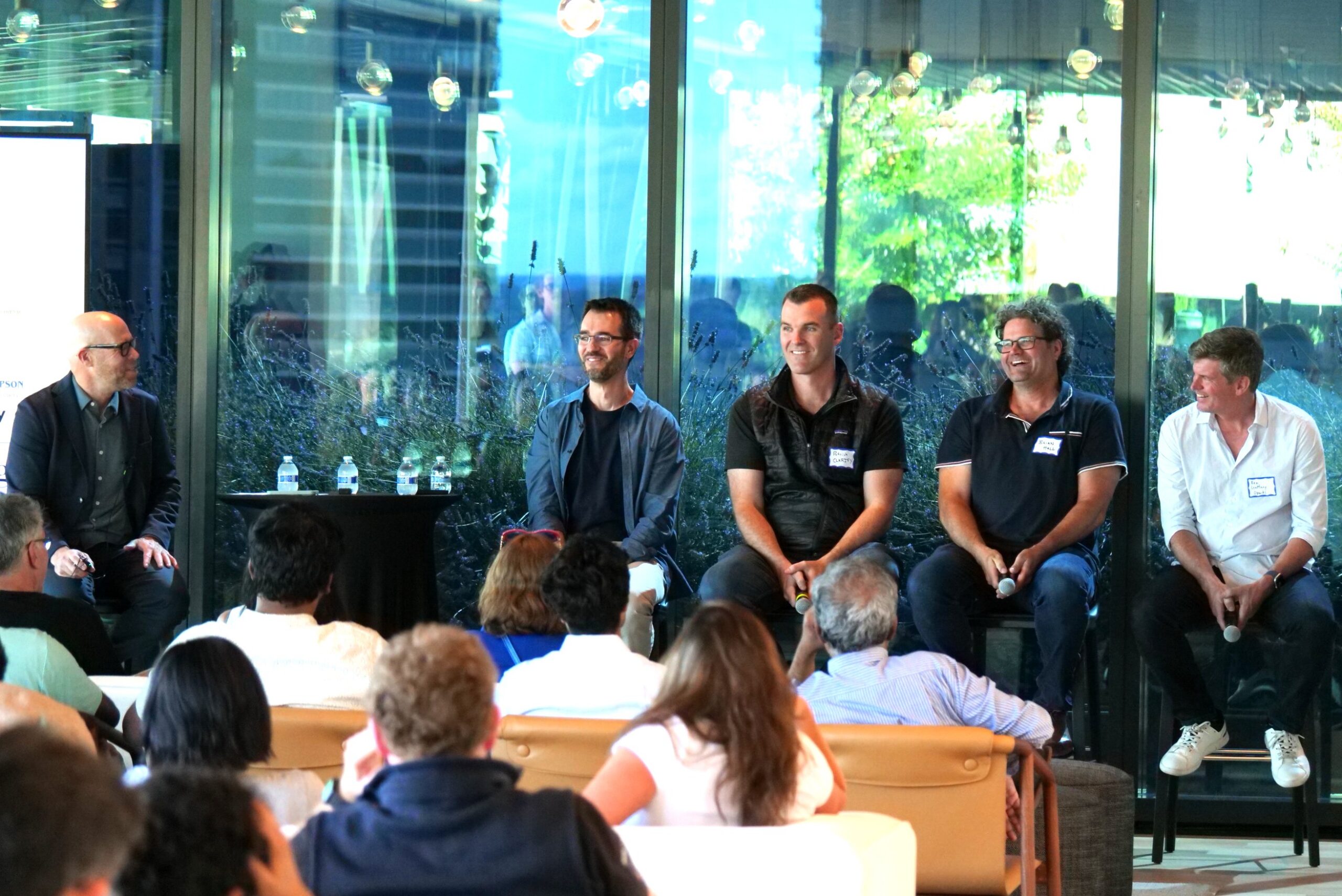
Our Building Enduring AI Products event with AWS and OpenAI unearthed the opportunity for founders today: defensibility now lives in your data, your expertise, and your compounding loop with customers, not in the model underneath.
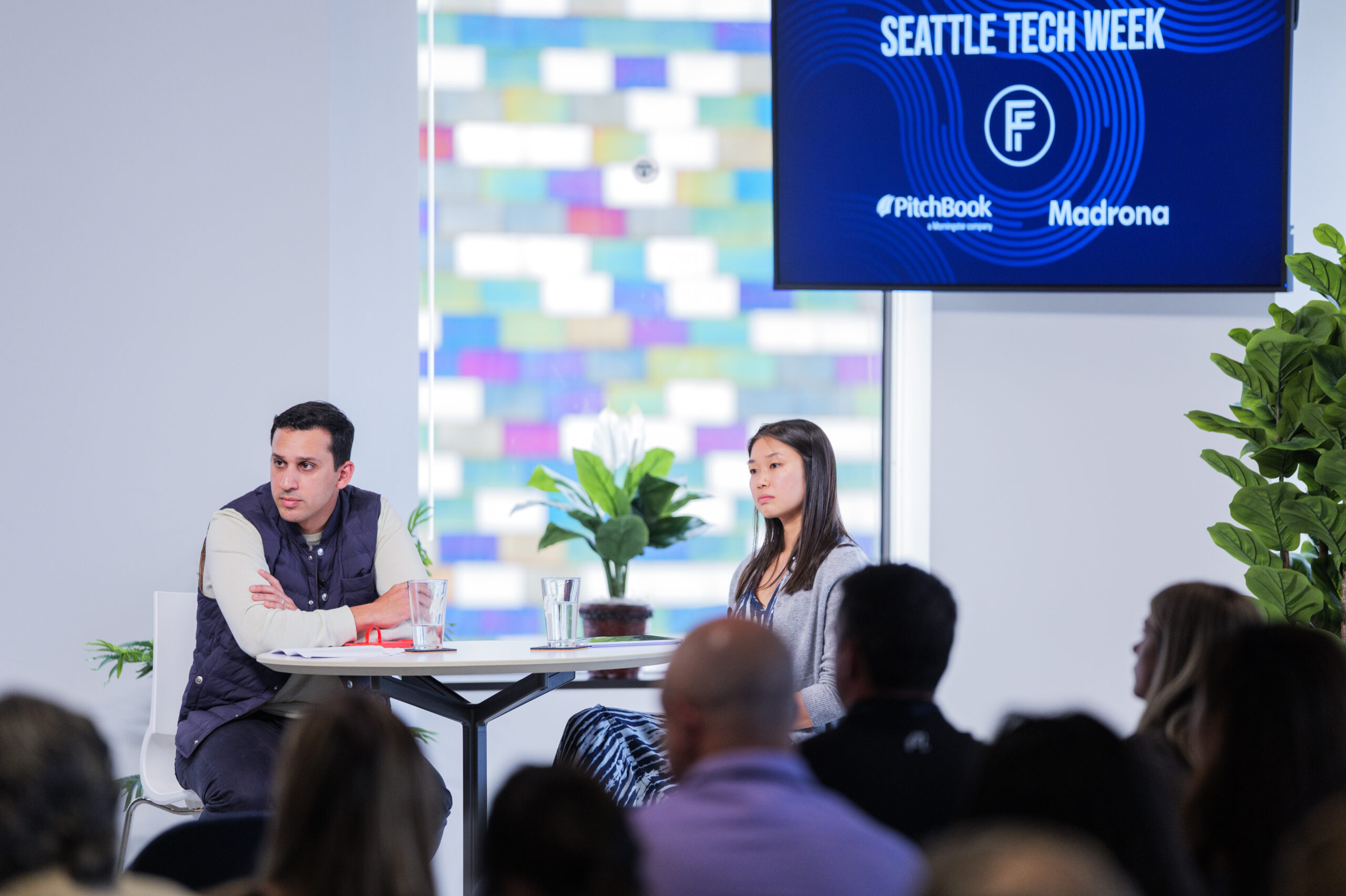
The week’s first-ever live Founded & Funded episode, recorded with PitchBook in front of a full room, put numbers behind the discussion. PitchBook’s Nizar Tarhuni and Madrona’s Sabrina Albert walked through data showing 80 to 90 percent of venture dollars now flowing into AI, with roughly ten companies collecting two-thirds of it, while deal activity moves down to the application layer. Their test for durability was one every founder can use: how hard is it for a customer to switch off you? That episode drops August 13.
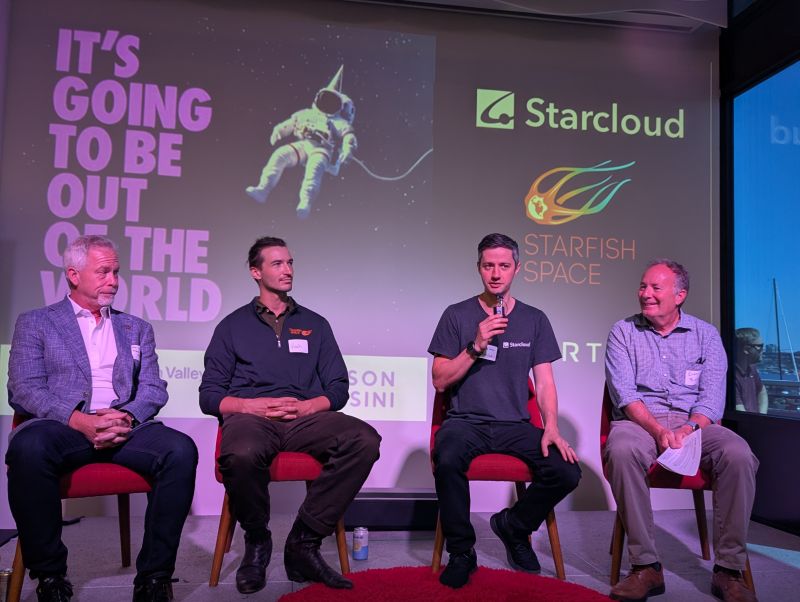
But one of the most ambitious conversations of the week may have been the Space Tech Luncheon hosted by SVB and Wilson Sonsini, where founders from Starcloud, Starfish Space, and Portal Space Systems made the case that Seattle is “the undisputed satellite capital of the world.” Seventy percent of the parts the U.S. launches today are manufactured in Washington.
The events that look like play are the favorites
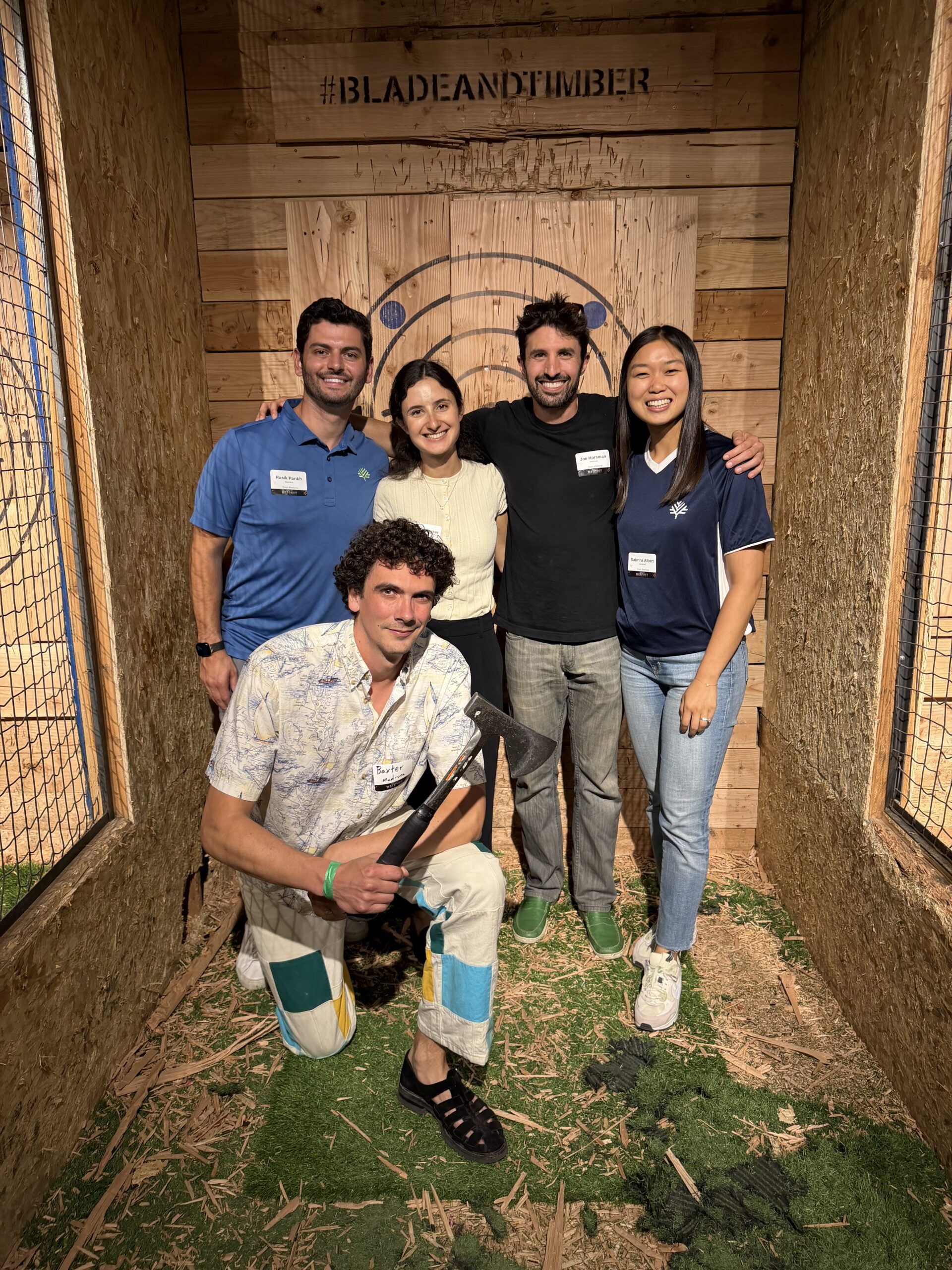
Pickleball in SoDo, a 5k through the Fremont Cut, a Lake Union cruise: some of the week’s most interesting rooms weren’t even held in rooms. Or at least not traditional conference rooms. The inaugural Bury the Hatchet tournament put 32 companies into a single-elimination axe-throwing bracket and raised money for Treehouse, which supports youth in foster care. MistyWest’s Dan Millar spoke for every winner: “Of all my professional achievements, winning the Seattle Tech Week Bury the Hatchet axe throwing competition might just be the sweetest.”
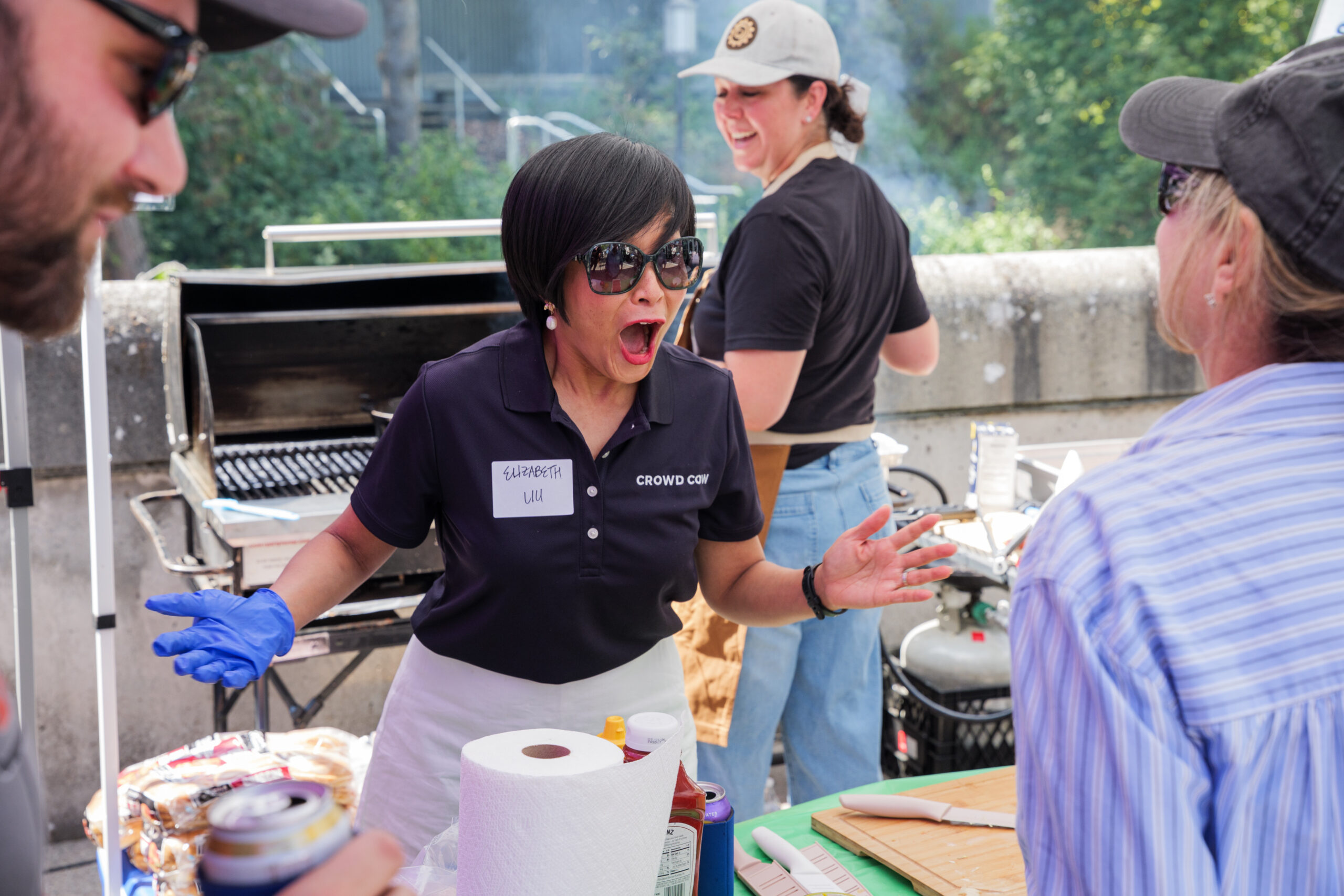
At WTIA’s Tech BBQ Throwdown, Team Startup beat Team VC and Team Angel for the second straight year, a result Crowd Cow CEO Elizabeth Liu summarized as ” three founders from three different startups, cooking as one team.” Sharing later, Liz said, “Joy comes from building the world you believe in – alongside the founders, builders, ecosystem, and community that make Seattle worth betting on. Seattle doesn’t need to be the next anywhere.”
At Gradial’s Ship Code at Sunset hackathon, a J.P. Morgan engineer wrote that she “arrived curious and slightly intimidated” and left “with new knowledge, more confidence, a podium finish — and a much better understanding of ‘ship fast, vibe faster.'”
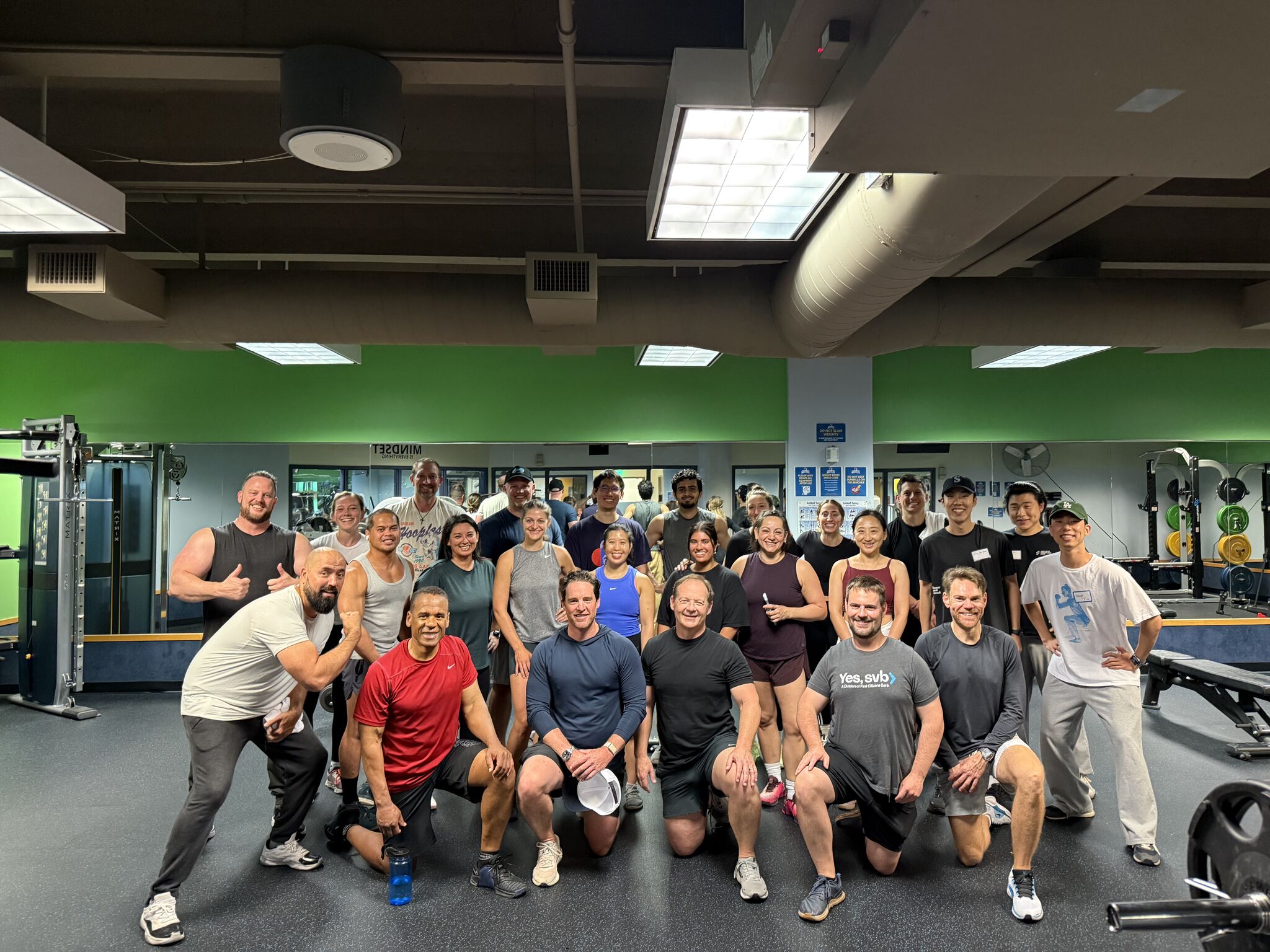
Sunrise yoga on Lake Union, a Dog Dash 5k through the Fremont Cut, weightlifting, pickup basketball, axe throwing, pickleball with pros on hand to teach beginners, and geeks on boats. The formats that looked like play proved to be some of the most meaningful, powerful ways to bring our community together, and we look forward to seeing what other activities emerge for next year.
Building a better future for all
Some of the week’s most memorable events asked who the tech community itself is really for. One was a first for the week; the others keep growing every year.
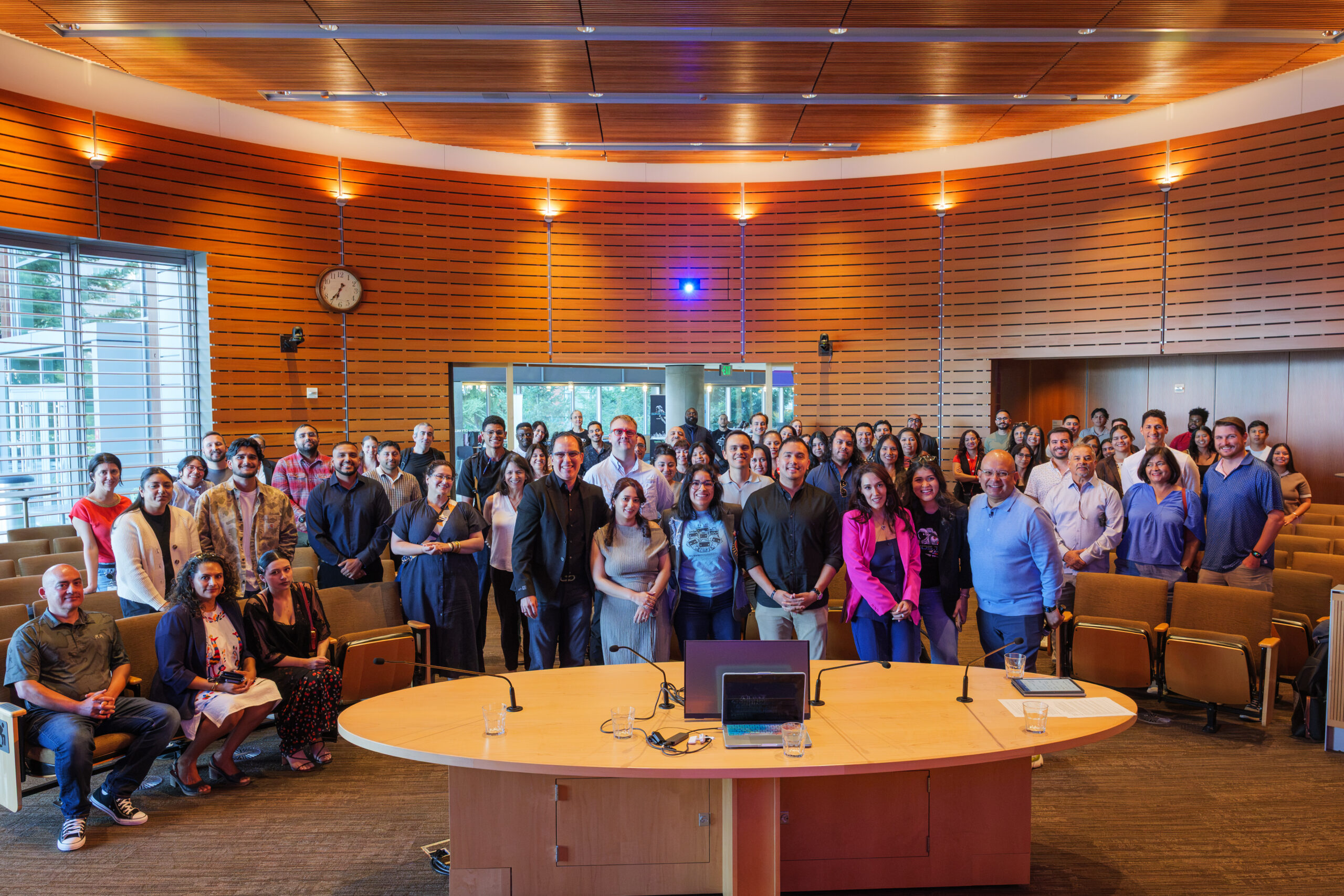
The Latino Role in Tech, co-hosted by Latino Founders, Startup425, Seattle ALPFA, Latinas in Tech, and SOMOS.tech, was the week’s first Latino-centered event, built in the organizers’ words for anyone “building your first startup, growing your career, or looking to meet people in tech.” Latinas in Tech’s Monica Mora brought her kids to run the booth and the raffle, hoping they’d learn that “supporting your community and creating opportunities for others is just as important as professional success.”
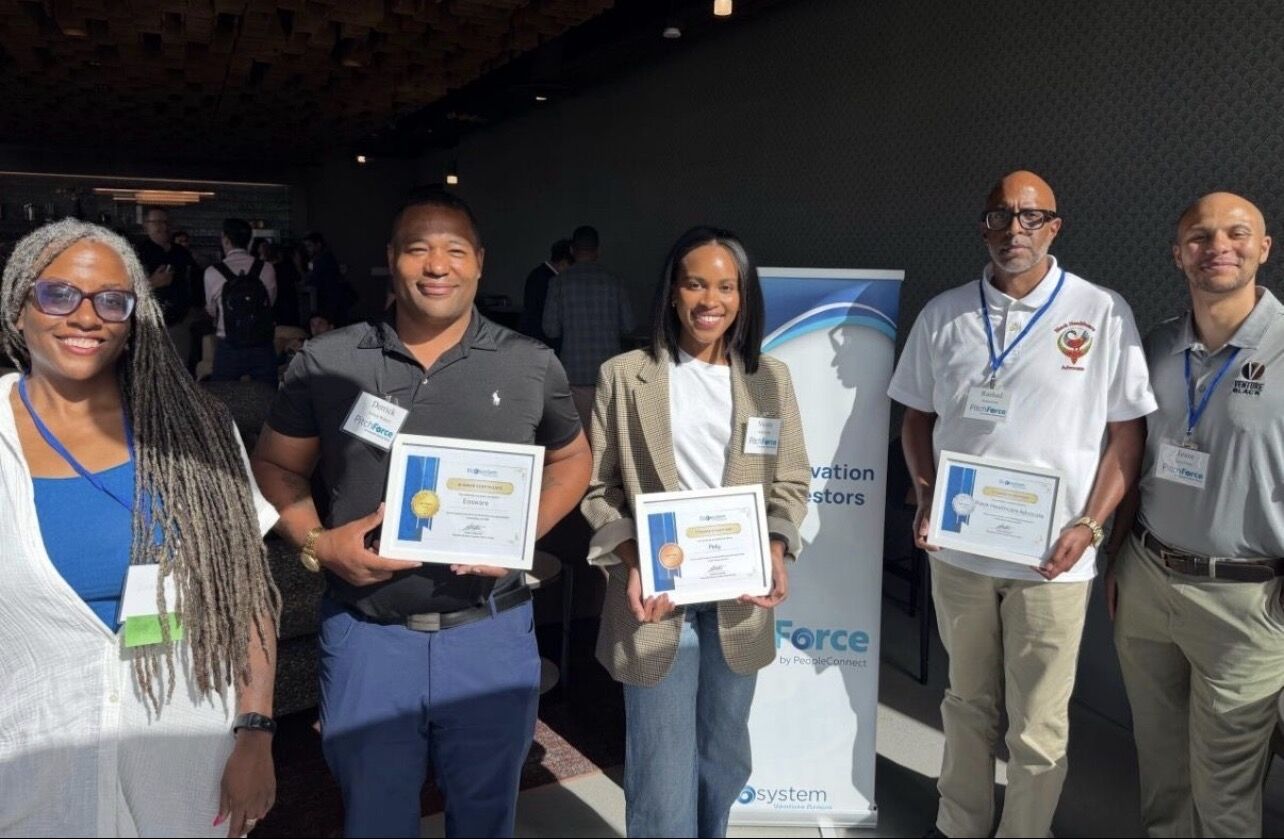
AI-Powered Women Seattle drew a crowd at SURF Incubator for “From Corporate to Founder,” part of one of the deepest women-in-tech lineups the week has had, alongside events hosted by TiE Seattle Women, Ahana Collective, Women in Bio, Project W, Armoire, and others. And at the Venture Black x PitchForce event, 27 founders pitched 30-plus investors over five hours. Winner Derrick Watson of eōsware described what he saw: “every one of them was met with guidance, honest critique, and genuine belief. That’s what a healthy ecosystem looks like.”
The week belongs to whoever builds it next
That’s also the answer to the question we heard most often: how does this get even better? Seattle Tech Week has no main stage and no program committee deciding what matters. It grows when a founder, a community group, or a company decides the week is missing something and hosts it themselves. The axe-throwing bracket didn’t exist last year. Neither did the Latino Role in Tech. Next year’s best event probably doesn’t exist yet.
If you attended, tell us what to improve: take the survey. If you want to host in 2027, event details are always available here, or email [email protected] and we’ll help however we can.
Our thanks to the hundreds of hosts, every sponsor and attendee, and our committee partners at Ascend, J.P. Morgan, SVB, Wilson Sonsini, Perkins Coie, and Plug & Play.
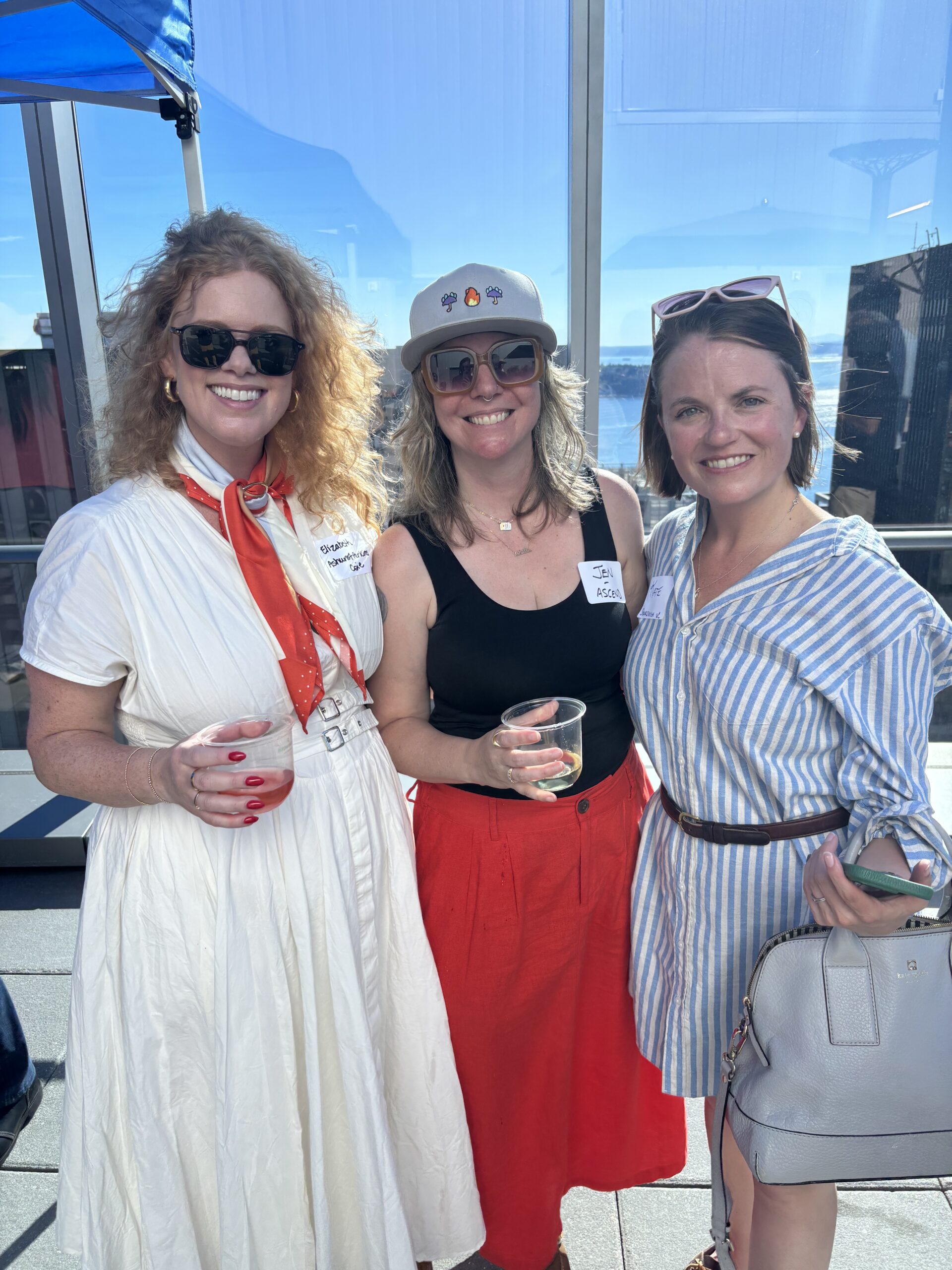
But our biggest thanks go to you. We started Seattle Tech Week four years ago because we knew our region deserved a focal point that brings its builders together. We’re thrilled to see how the community has taken and expanded it into something bigger and better than we could have ever hoped. And, true to the Seattle spirit, we’ve got even bigger ambitions for what Seattle Tech Week can become, and we look forward to building it together with you.
Follow the Seattle Tech Week Luma page to be first to know the 2027 dates and programming.